Drainage Trench Installation in Atlanta, GA
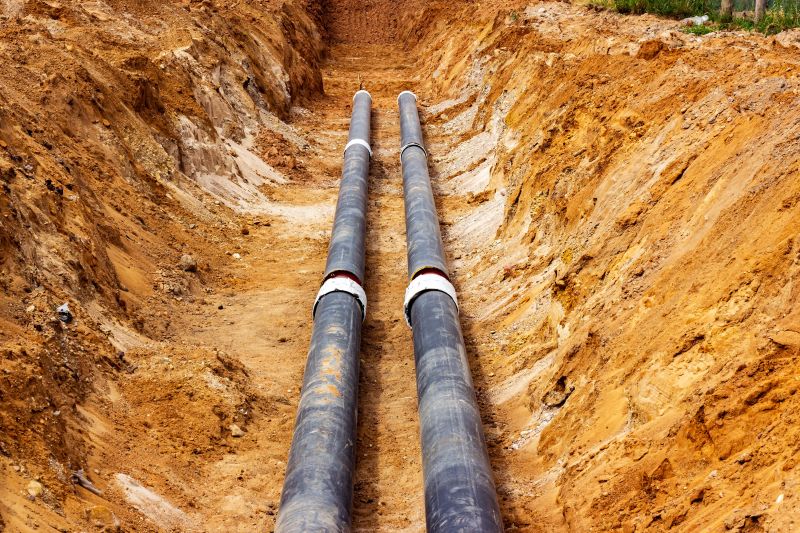
Drainage trench installation involves creating specially designed channels to direct excess water away from a property’s foundation, landscaping, or other areas prone to water accumulation. This service is commonly used in projects such as managing stormwater runoff, preventing basement flooding, or improving drainage around driveways and gardens. Property owners typically seek drainage trenches to help control water flow during heavy rains, reduce erosion, and protect their property’s structural integrity.
Before requesting drainage trench installation, homeowners should consider factors like the slope of their land, the type of soil, and the location of existing drainage issues. It’s also helpful to understand the desired endpoint for the water, such as a drainage ditch or stormwater system. Proper planning ensures the trench is effective and complements the property’s landscape while addressing specific water management needs.
Many property owners in Atlanta, GA look into Drainage Trench Installation for repairs, replacements, upgrades, and appearance-related improvements.
Drainage Trench Benefits
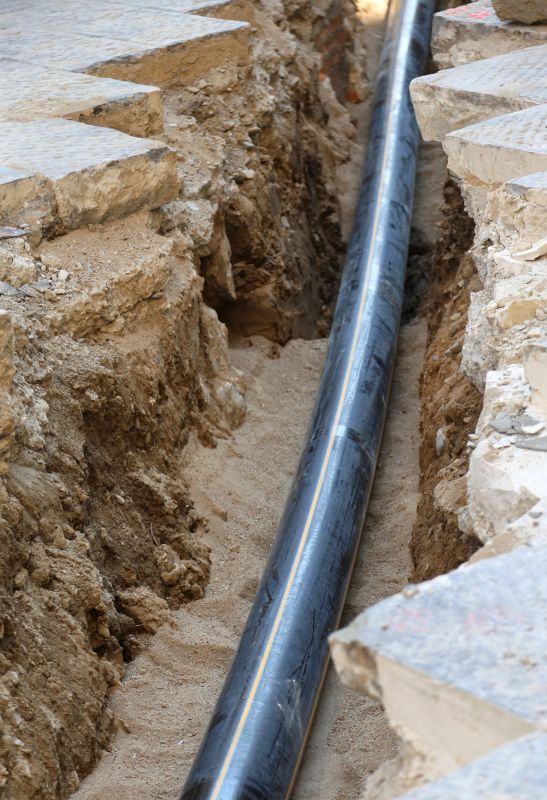
Proper drainage trenches help protect property foundations and prevent water pooling around structures.
Common Drainage Projects
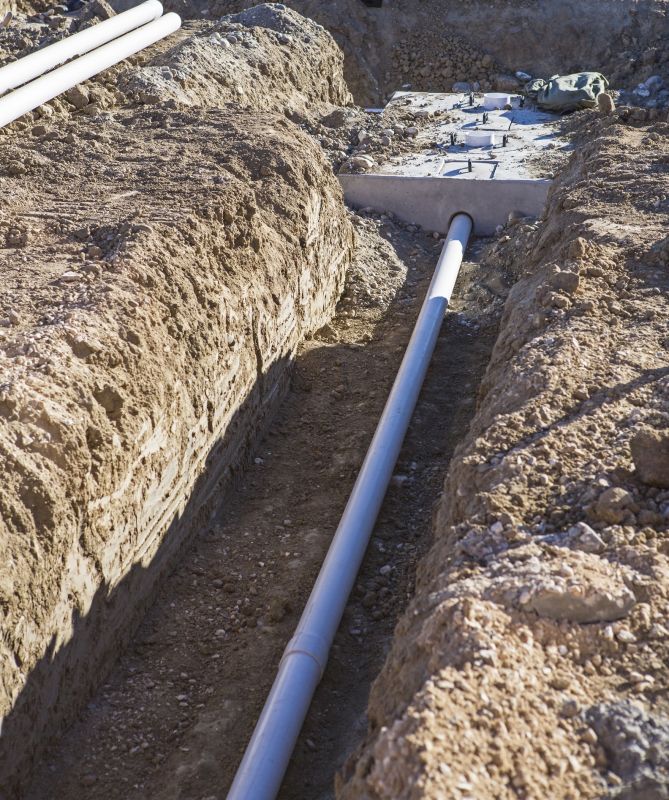
Installing trenches for yard grading, basement waterproofing, or managing runoff from heavy rainfall are typical projects.
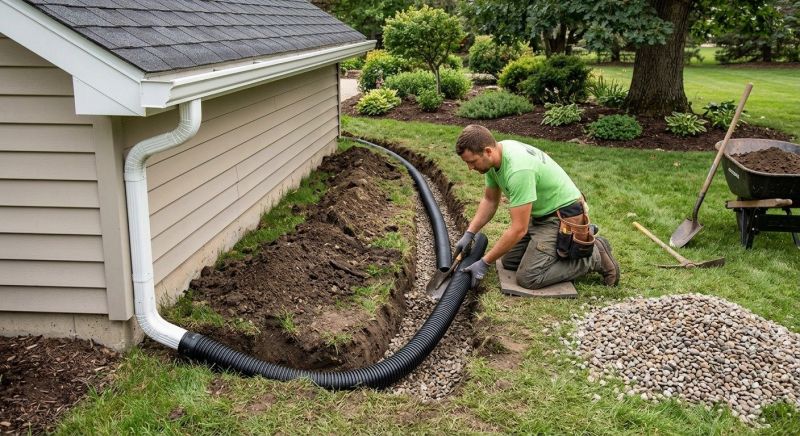
Materials And Design Options
Choosing the right materials and trench designs ensures effective water diversion for residential and commercial properties in atlanta, ga.
Drainage Trench Installation in Atlanta, GA

Drainage trench installation involves creating specially designed channels to direct excess water away from a property’s foundation, landscaping, or other areas prone to water accumulation. This service is commonly used in projects such as managing stormwater runoff, preventing basement flooding, or improving drainage around driveways and gardens. Property owners typically seek drainage trenches to help control water flow during heavy rains, reduce erosion, and protect their property’s structural integrity.
Before requesting drainage trench installation, homeowners should consider factors like the slope of their land, the type of soil, and the location of existing drainage issues. It’s also helpful to understand the desired endpoint for the water, such as a drainage ditch or stormwater system. Proper planning ensures the trench is effective and complements the property’s landscape while addressing specific water management needs.
Many property owners in Atlanta, GA look into Drainage Trench Installation for repairs, replacements, upgrades, and appearance-related improvements.
Common Drainage Trench Installation Jobs
Drainage trench installation helps direct surface water away from foundations and landscaping.
French drain systems are effective for managing groundwater and preventing basement flooding.
Surface drainage solutions improve runoff management on sloped or uneven terrain.
Catch basin and channel drains are designed to handle heavy rainwater and reduce pooling.
Subsurface drainage minimizes soil erosion and maintains landscape stability.
Drainage trench repair and maintenance ensures proper function and prevents blockages over time.
Drainage Trench Installation Questions
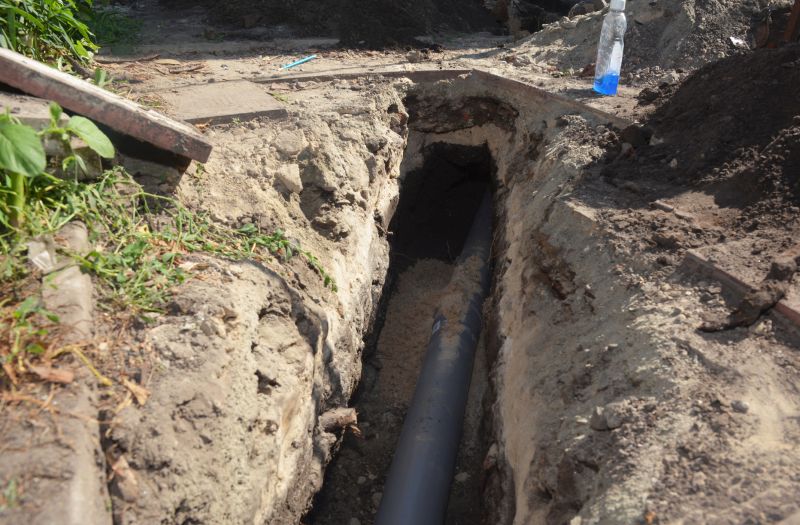
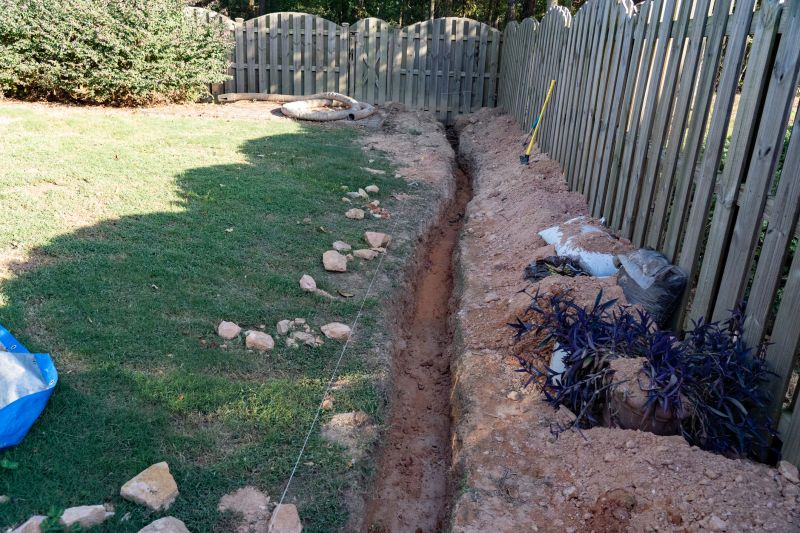
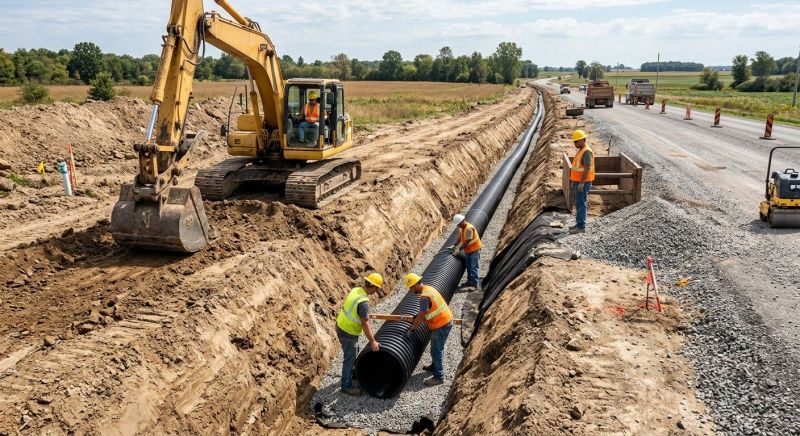
What is a drainage trench? A drainage trench is a shallow, open channel designed to direct excess water away from a property to prevent flooding and water damage.
Where are drainage trenches typically installed? They are commonly installed around foundations, driveways, gardens, and other areas prone to water accumulation.
What material is used for drainage trenches? Gravel, perforated pipes, and durable liners are often used to ensure effective water flow and longevity.
How does a drainage trench help prevent water issues? It redirects surface and underground water away from structures, reducing the risk of erosion, pooling, and foundation problems.
Request Drainage Trench Installation in Atlanta, GA
Use the quote form on this page to share the basics of your project and request more information for the type of work you need.